Updated October 2026
Short answer
A garage door tune-up in Houston is a once-a-year visit that checks the door's balance, springs, cables, rollers and opener safety settings before any of them fail. Most homes benefit from one visit a year, and doors used as the main entrance benefit from two.
What a tune-up actually checks
A garage door rarely fails without warning. Springs lose tension gradually, cables fray strand by strand, and rollers wear long before they jump the track. A tune-up is a structured look at each of those parts, with adjustments made on the spot and anything worn shown to you with a recommendation.
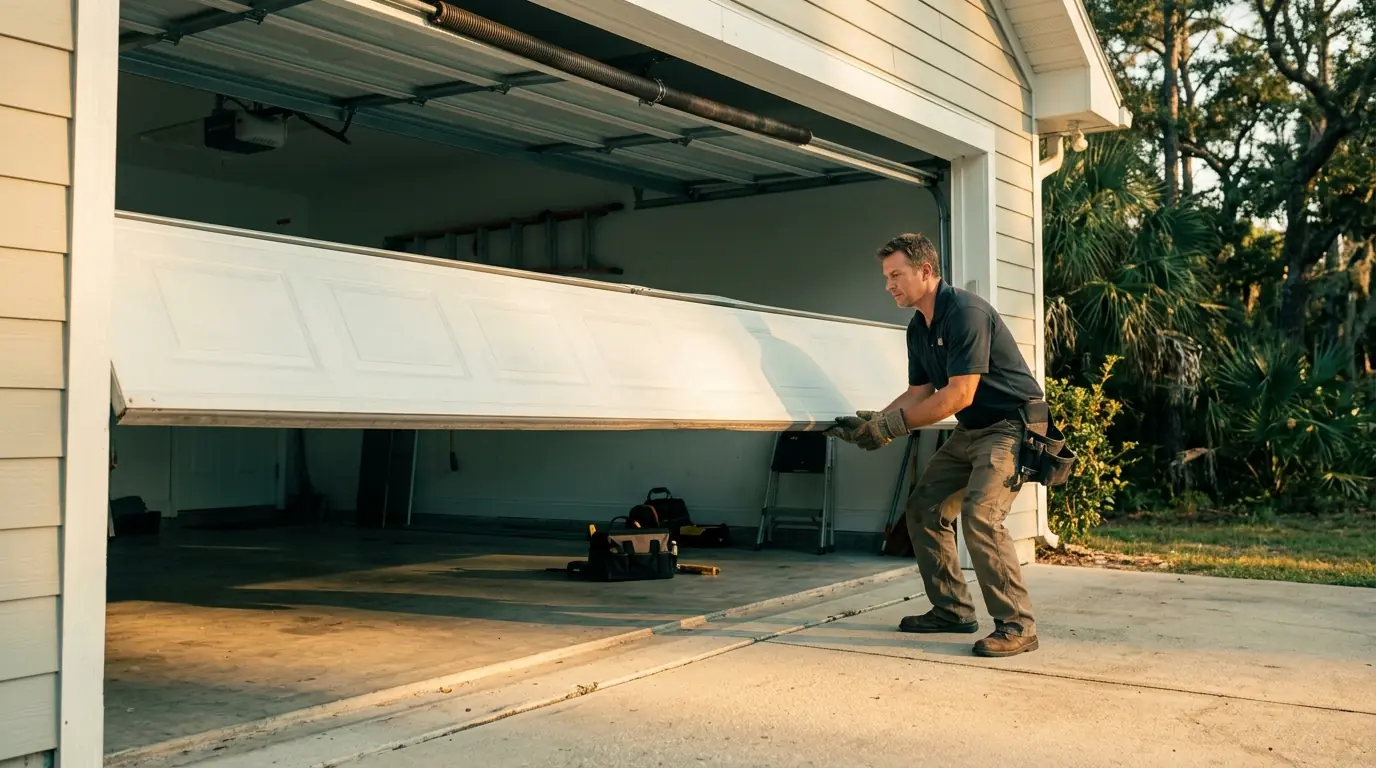
We start with the door disconnected from the opener, because the balance test tells us more than anything else. A door that drifts when you let go halfway has springs that are tiring, and the opener has been covering for them.
What every tune-up includes
- Balance test with the opener released
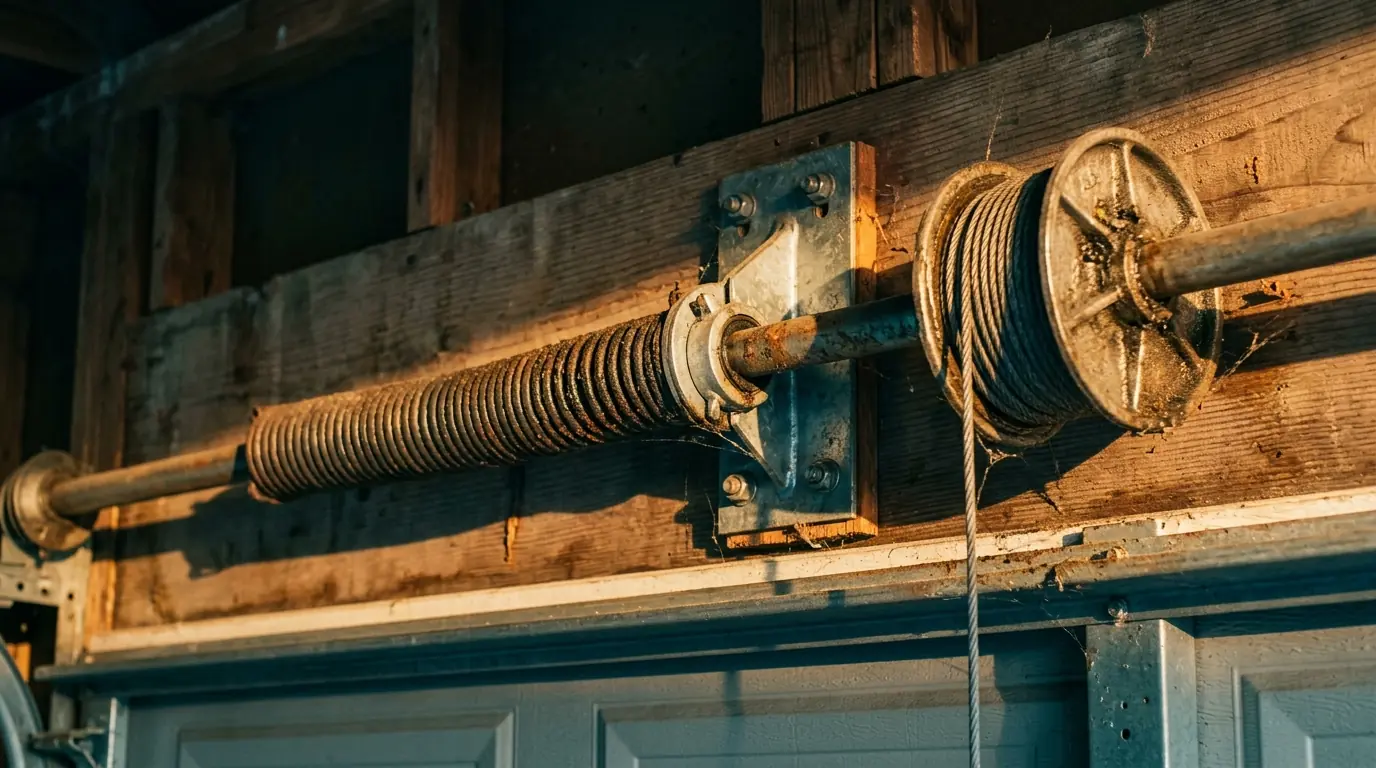
- Spring condition and tension
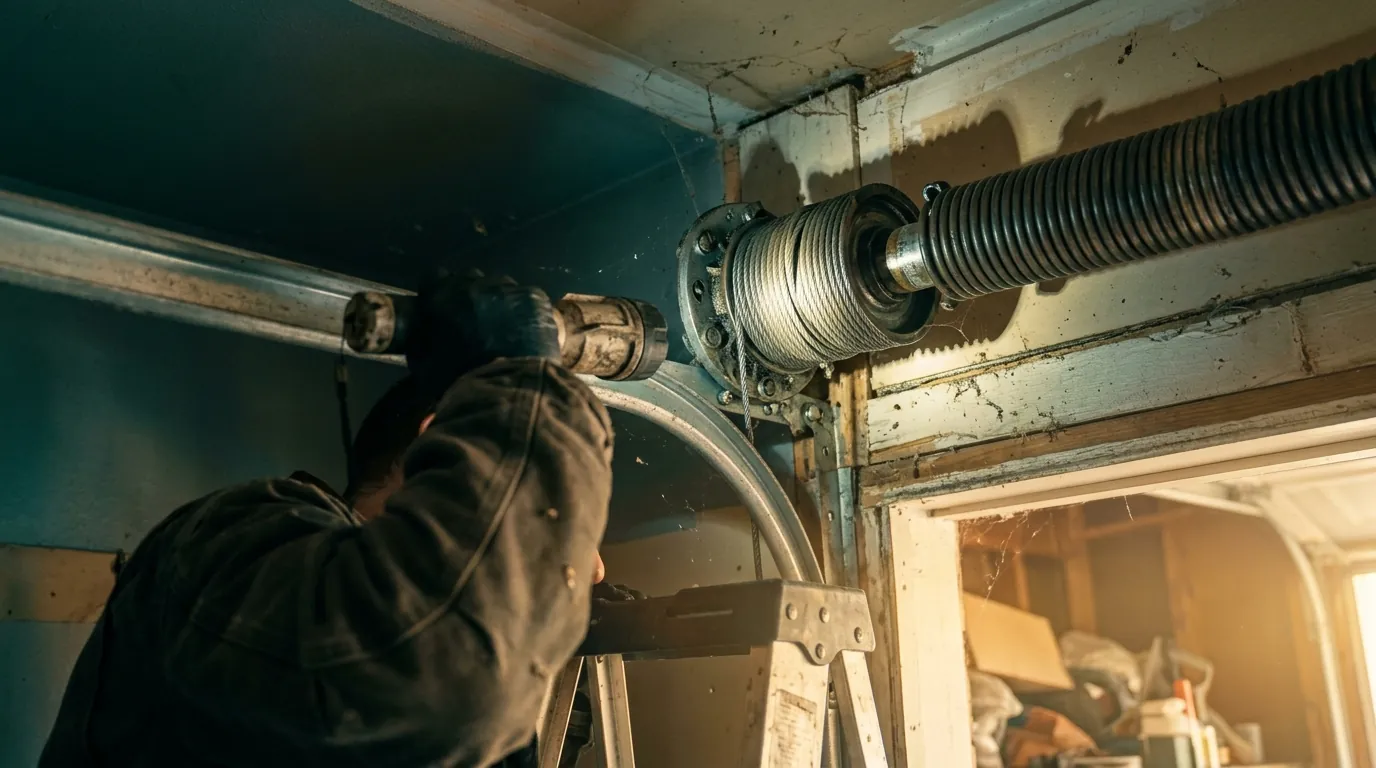
- Cables, drums and bottom brackets
- Rollers and hinges, lubricated or flagged
- Track alignment and bracket bolts
- Opener force and travel limits
- Photo-eye sensors and auto-reverse test
- A written list of what is wearing
Balance and spring tension check
With the opener released, a balanced door stays put at half open and lifts with light effort. If it sinks, the springs have lost tension; if it rises, they are wound too tight. Small corrections are made on the visit. If a spring is near the end of its life, we tell you how worn it looks rather than replacing it on the spot, so you can plan the cost instead of meeting it on a bad morning. We note the reading on the visit sheet, so next year's check has something to compare against.
Lubricating the moving parts
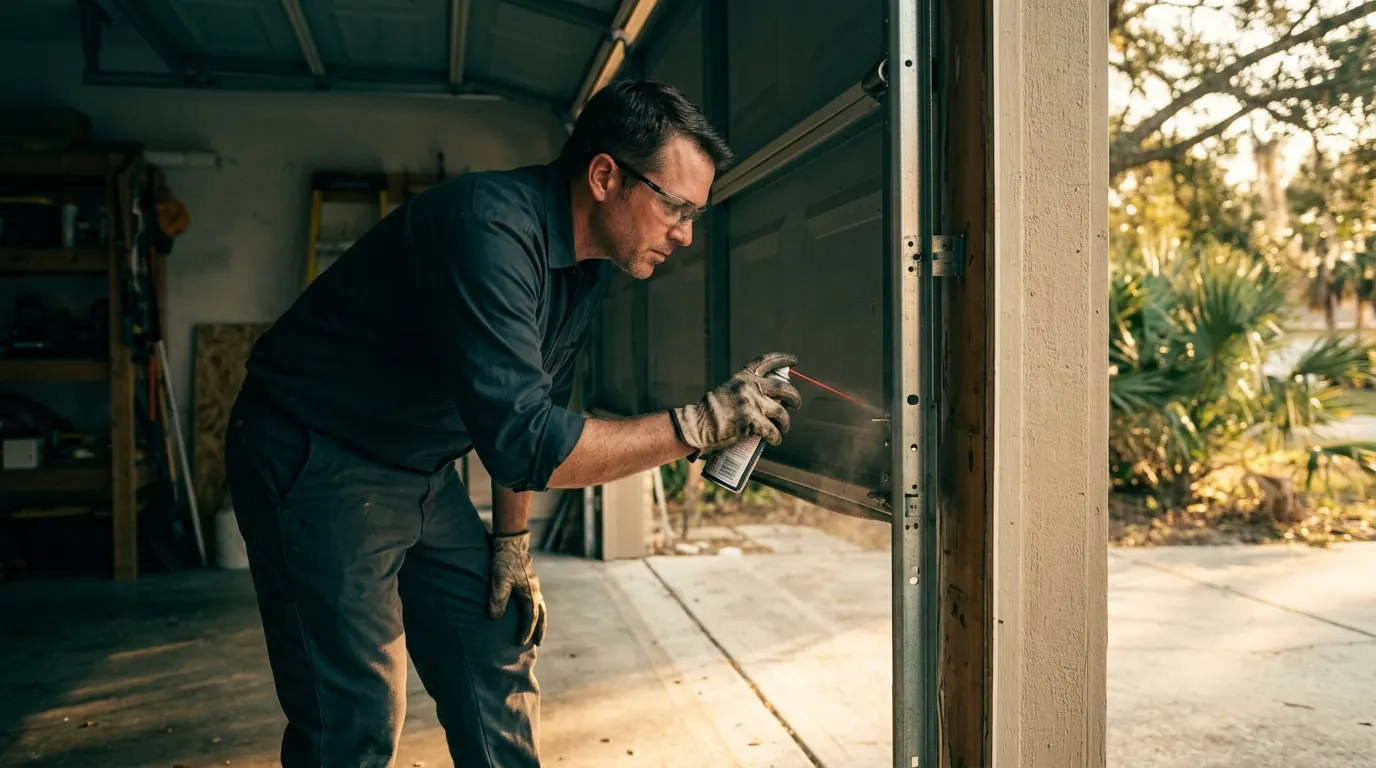
Hinges, roller bearings, the spring coils and the opener rail get a garage-door lubricant that does not collect dust. The tracks themselves stay clean and dry, because grease in a track traps grit and makes rollers skid. In Houston's damp garages, oiling the spring coils also slows the rust that pits the wire and shortens spring life, which is one of the cheapest things you can do for a door. We also wipe old, gummy lubricant off the rollers first, since new oil over dirt does little good.
Opener force and reverse test
We test the auto-reverse by closing the door on a flat object at floor level, then check the photo-eyes by breaking the beam. If the opener does not reverse, we adjust the force and travel limits until it does, or tell you plainly if the opener can no longer be set safely. This is the part of the visit that protects children and pets, and it takes only a few minutes. We also check that the wall control and remotes still respond from a normal distance, because a weak signal is often the first sign of a failing receiver.
Doors reaching their first big service age
Montgomery County more than doubled between 2000 and 2020, from 293,768 people to 620,443, and Fort Bend County grew from 354,452 to 822,779. A large share of the garage doors in those counties went up in that period, which puts many of them at the age where springs and cables start to tire. A tune-up at that stage usually costs far less than the first emergency call would.
How a tune-up visit runs
Release and test balance
Opener disconnected, door tested at half open.
Inspect the hardware
Springs, cables, drums, rollers, hinges and track.
Adjust and lubricate
Small corrections made, moving parts oiled.
Test the safety features
Auto-reverse and photo-eye checks.
Report
A plain list of what is fine, what is wearing and what it would cost.
What drives the cost of a tune-up
A tune-up is priced as a visit, with any replacement parts quoted separately before they are fitted. These are the things that change it.
- 1
Number of doors. A second door on the same visit adds less than a separate trip.
- 2
Door type. Heavy, insulated or commercial doors take longer to balance.
- 3
Opener checks. Resetting limits and force is included; repairs are quoted.
- 4
Parts found worn. Rollers, cables or springs are priced before replacement.
- 5
Access. Cluttered garages take longer to work around.
How long a tune-up takes
Most tune-ups take about an hour on a single residential door. Small adjustments are made during the visit; any part that needs replacing is priced first, so the visit does not turn into a repair without your say.
Signs a door is overdue for a tune-up
It got louder this year
Dry rollers and hinges usually come first.
It drifts when released
The springs are losing tension.
The opener sounds strained
It is lifting weight the springs should carry.
It has never been checked
Most doors go years between visits.
A cable looks rough
Frayed strands are cheaper caught early.
Questions about this job
Garage door tune-up questions
Once a year for most homes, and twice a year when the door is the main way in and out of the house.
Balance testing, spring and cable checks, roller and hinge lubrication, track adjustment, opener settings and the auto-reverse test.
Yes. Use a garage-door lubricant on hinges and roller bearings, and keep grease out of the tracks.
No, springs wear out by cycles. But it tells you when one is close, so you can plan for it.
Yes, sectional and rolling steel doors on shops and warehouses.
Yes. We check the drive, the limits, the force setting and the safety reverse.